
Persist Bio · the molecule company for cryopreservation
It starts at 37°C.
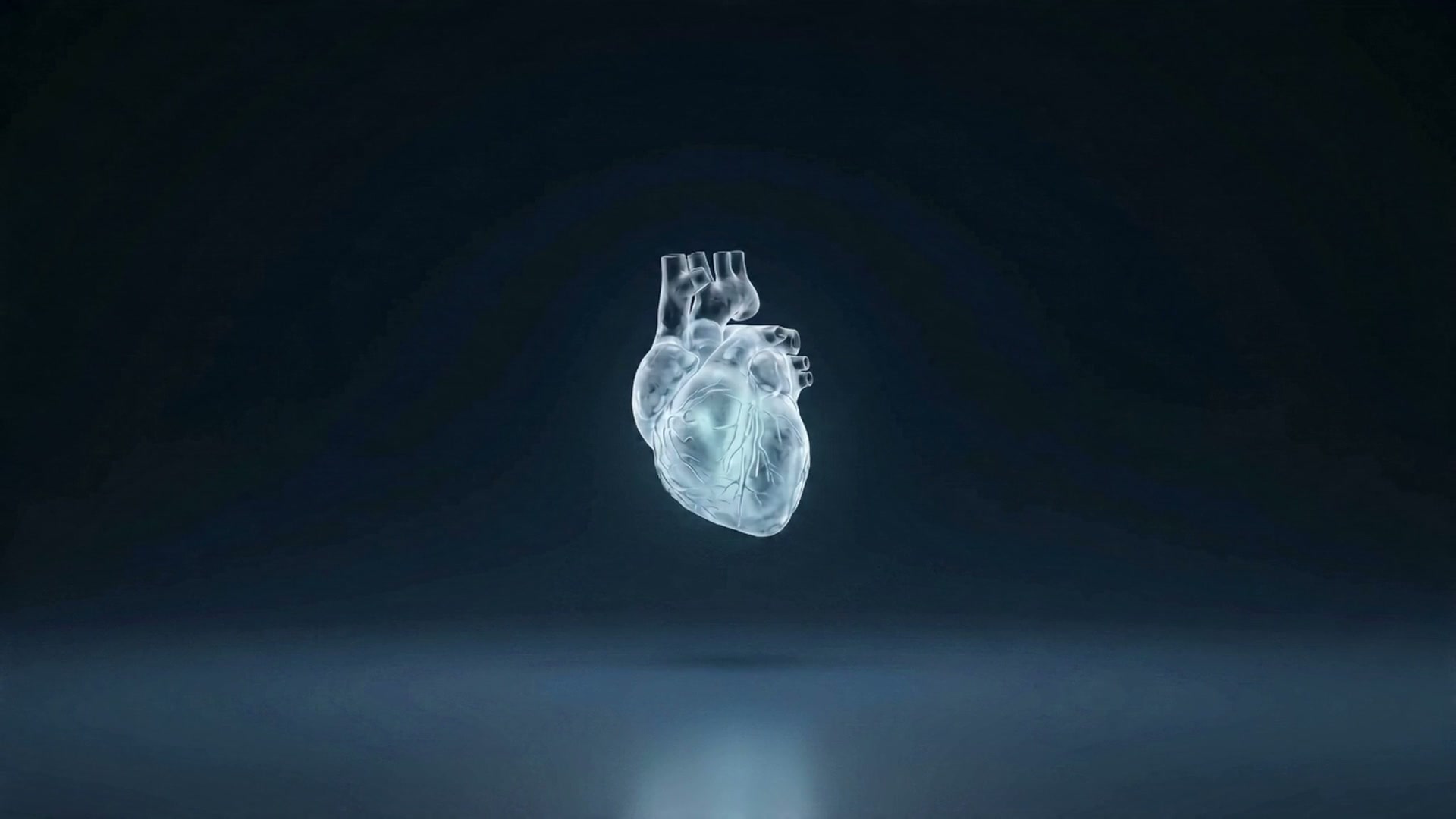
The body runs warm. The moment an organ leaves it, a countdown begins — and today, nothing can pause it. This is a descent through the temperatures that decide whether an organ lives or is lost.
Scroll to begin the descent

The moment an organ leaves the body, the countdown begins.
At 0°C, water becomes a weapon.
The body is roughly 60% water. Freeze it and sharp ice crystals form, tearing cell membranes apart. This is why organs cannot simply be frozen — the cold that should preserve them destroys them.
The wall we hit today
The old fix holds back the ice — but can be toxic to the tissue.

From hypothesis to laboratory validation.
At −130°C, water can become glass — if the molecule is right.
Conventional — ice
Crystals form · cells rupture & die from toxicity
Vitrification — glass
No crystals · structure intact
We design the molecule, not the machine
AI-guided platform & discovery
Non-toxic CPAs

Own the molecule, and you own the layer all of preservation depends on.
Below −130°C: toward an organ bank.
If organ preservation can one day be made reversible, transplantation could stop being a race — organs stored, matched globally and used when needed. A research goal Persist Bio is working toward, not a current capability.
Long-term
Storage goal
Global
Matching pool
Lower loss
Less time pressure
Nils Regge · FounderEmil Kendziorra, MD · FounderAlexander Murray, PhD · Cryobiologist